 January 08, 2026
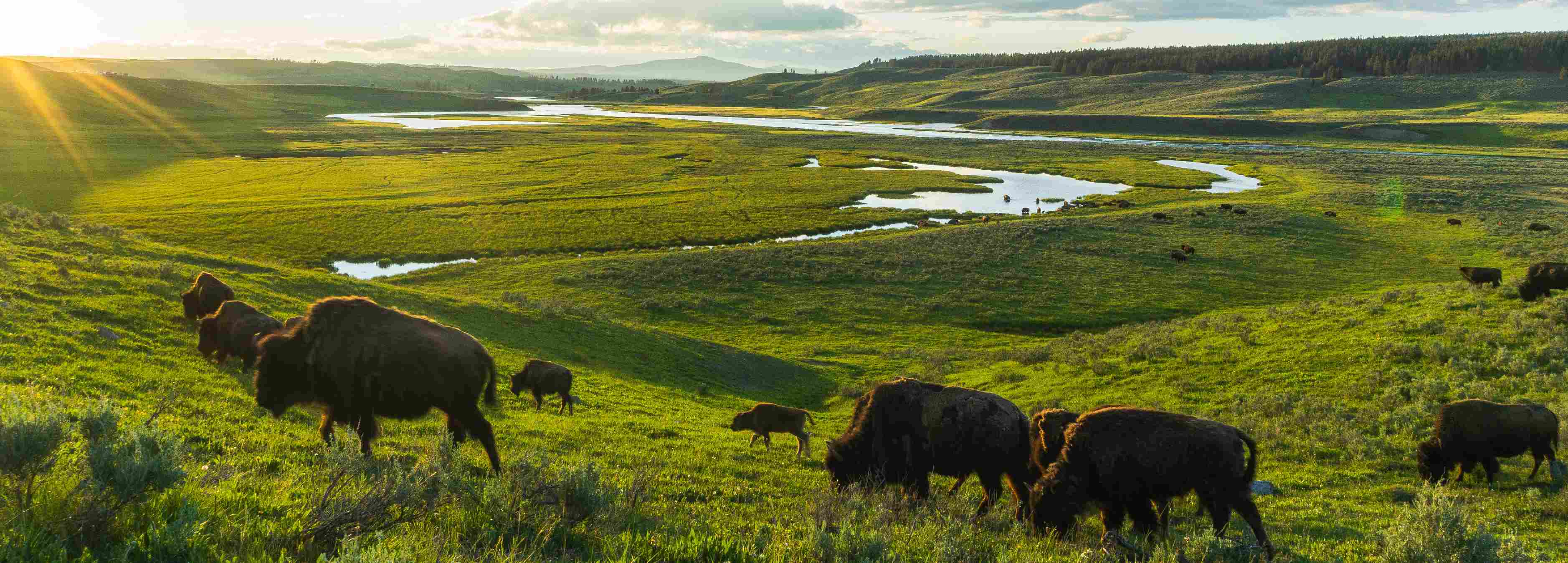
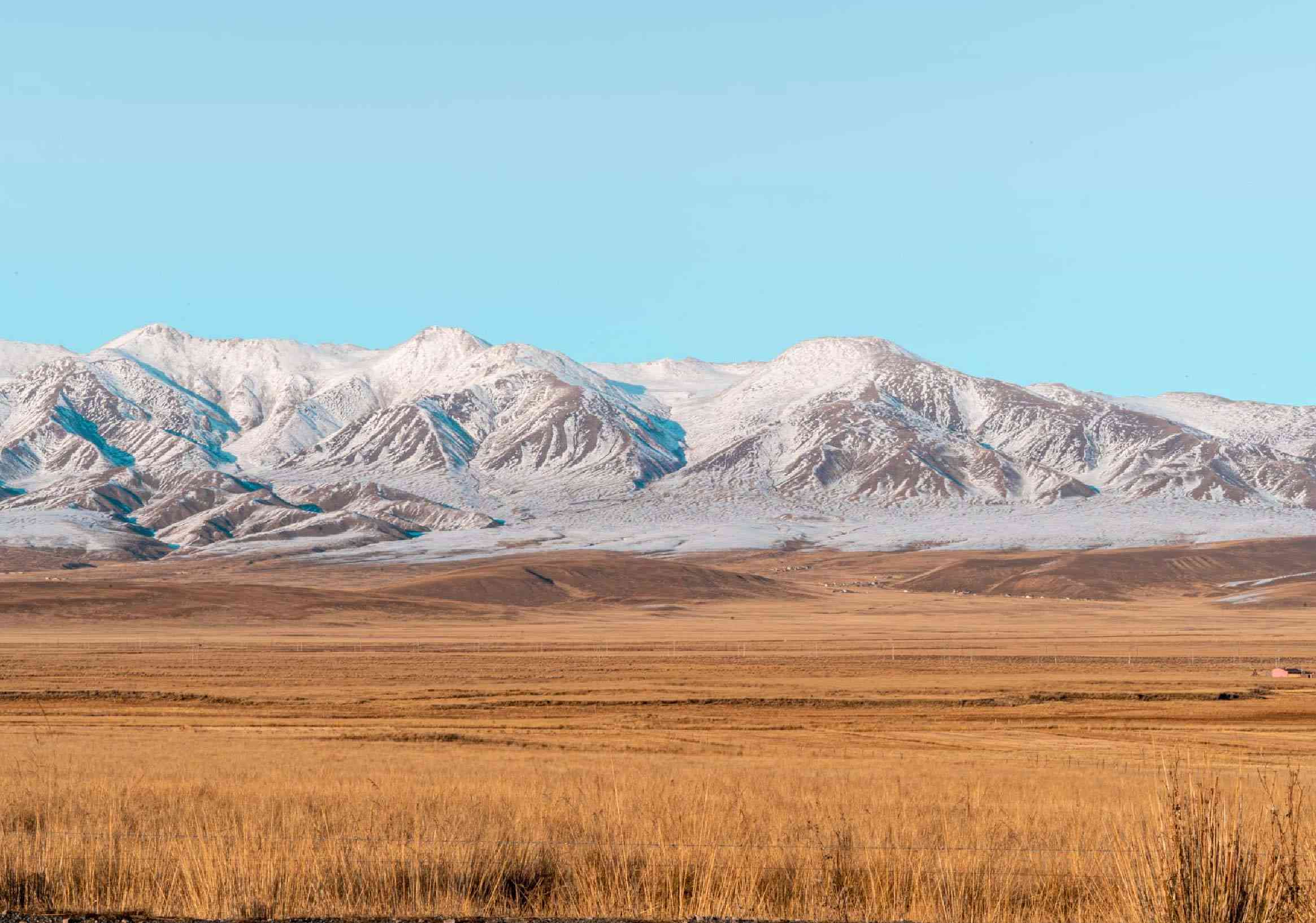
Rangelands and grasslands are among the most widespread ecosystems on Earth, yet they remain some of the least understood. Stretching across savannas, steppes, prairies, alpine meadows, and semi-arid plains, these landscapes quietly shape ecological balance at a global scale.
Covering more than half of the planet’s land surface, rangelands and grasslands support biodiversity, regulate water cycles, store vast amounts of soil carbon, and sustain the livelihoods of over 500 million people. For generations, pastoralists and land stewards have lived in close relationship with these landscapes, adapting their lives to seasons, rainfall, and movement.
Yet in popular imagination, rangelands are often seen as empty, dry, or degraded—spaces waiting to be transformed. This perception misses their complexity. These are living systems, defined not by permanence, but by rhythm and response.
What makes rangelands and grasslands essential
They support grazing systems and food security across continents
They act as carbon sinks, storing nearly one-third of global soil carbon
They sustain biodiversity, including migratory species and grassland-adapted wildlife
They preserve cultural knowledge systems rooted in coexistence with land
The theme “Beautiful Rangelands & Grasslands” asks us to reconsider what beauty means in nature. Beauty here is not spectacle. It is subtle and cumulative. It is found in resilience rather than abundance, in balance rather than control.
It appears in:
Grass recovering after a dry season
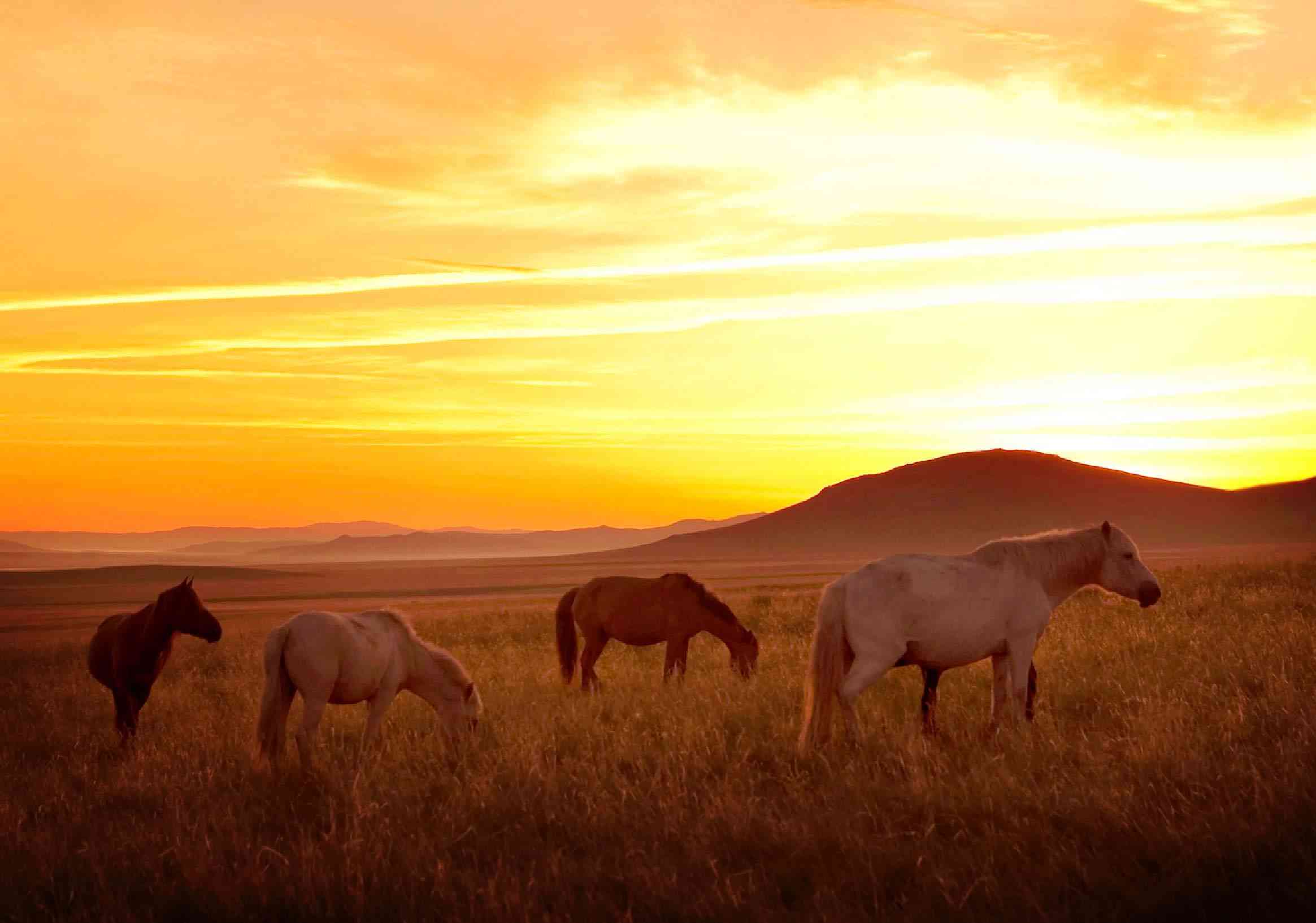
Animals moving across open landscapes
Communities adapting rather than dominating
Land responding slowly, but steadily, to care
At a time when climate change and land degradation are accelerating, rangelands remind us that sustainability is not always about preservation alone. It is about stewardship—knowing when to use, when to rest, and when to restore.
By learning to see rangelands and grasslands clearly, we begin to understand that these landscapes are not marginal. They are central to conversations about climate resilience, food systems, and the future of land.