 January 02, 2026
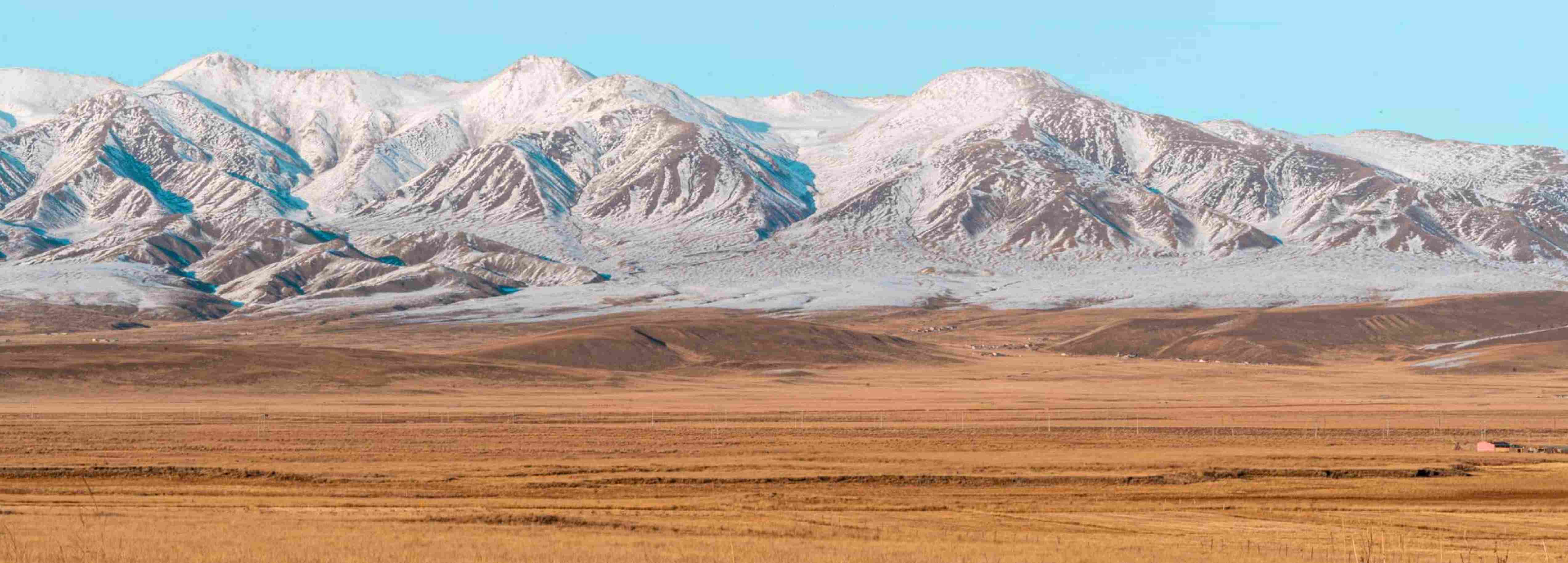
Rangelands sit at the intersection of some of the most urgent global challenges of our time. Climate change, land degradation, food security, biodiversity loss, and livelihoods are all deeply connected to how these landscapes are managed.
Nearly half of the world’s rangelands are estimated to be degraded due to unsustainable land use, climate variability, and governance gaps. These impacts are not abstract. They are felt in shrinking grazing lands, water scarcity, livelihood insecurity, and increased vulnerability to drought.
At the same time, rangelands hold immense potential.
Why rangelands matter now
They can play a key role in land restoration and climate resilience
Sustainable management improves soil health and biodiversity
They support millions of livelihoods, especially in dry regions
They hold local and indigenous knowledge essential for adaptation
When managed with care and context, rangelands can regenerate. Pastoral communities across the world have long practised forms of rotational grazing, seasonal movement, and land rest—approaches that modern science is increasingly recognising as valuable.
The global focus on rangelands in 2026—through the International Year of Rangelands and Pastoralists and UNCCD COP17—signals a shift. It recognises that land restoration must be people-centred, culturally informed, and locally grounded.
The 17th Greenstorm Photography Festival enters this moment as a storytelling space. It does not seek to simplify complex issues. Instead, it offers room for multiple perspectives—landscapes and lives, challenges and resilience, loss and continuity.
Photography complements policy by showing what statistics cannot:
Relationships rather than numbers
Context rather than conclusions
Human presence within environmental change
As global attention turns toward restoring degraded land, rangelands and grasslands ask us for something fundamental—to be seen clearly, understood deeply, and valued fairly.