 December 29, 2025
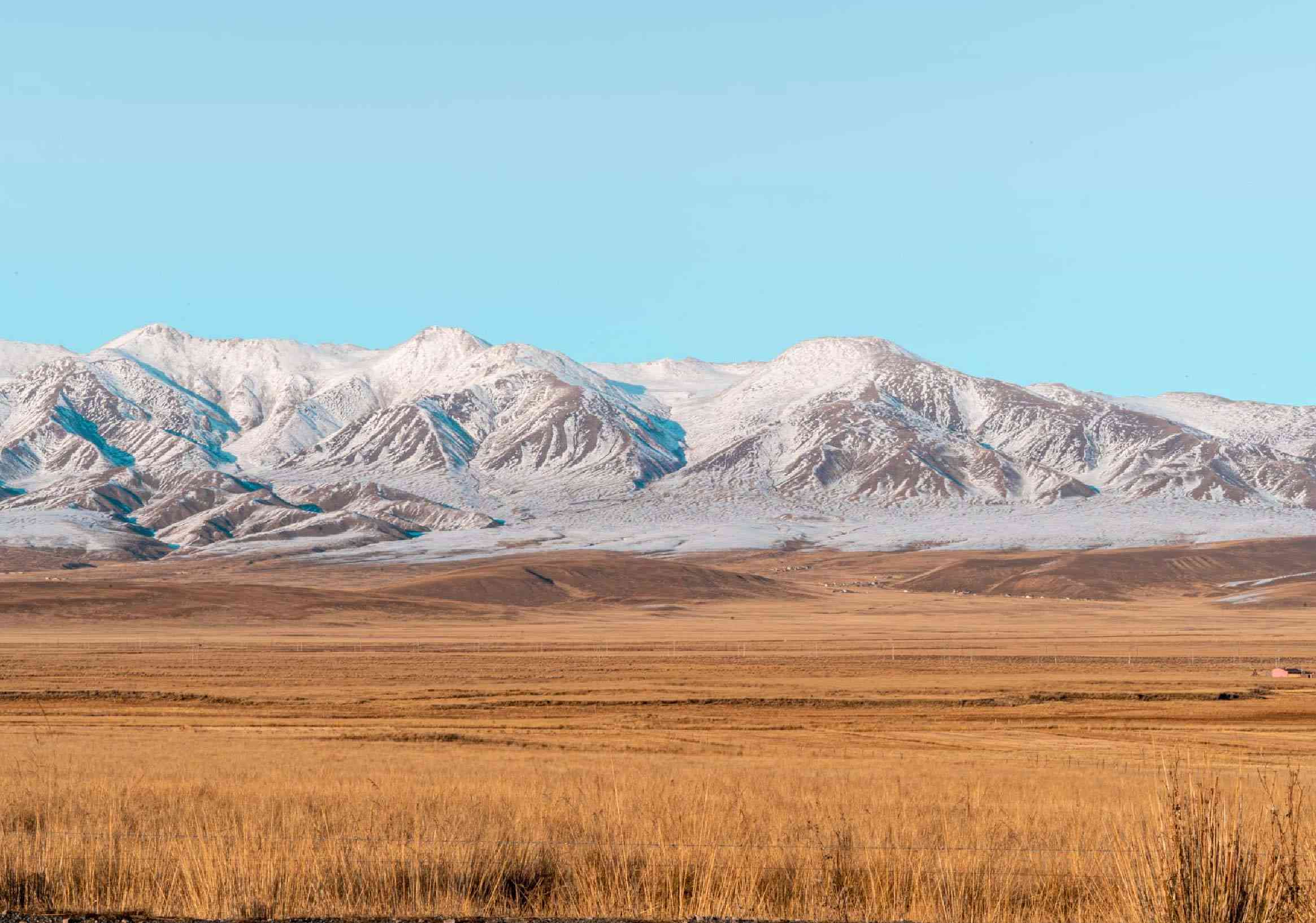
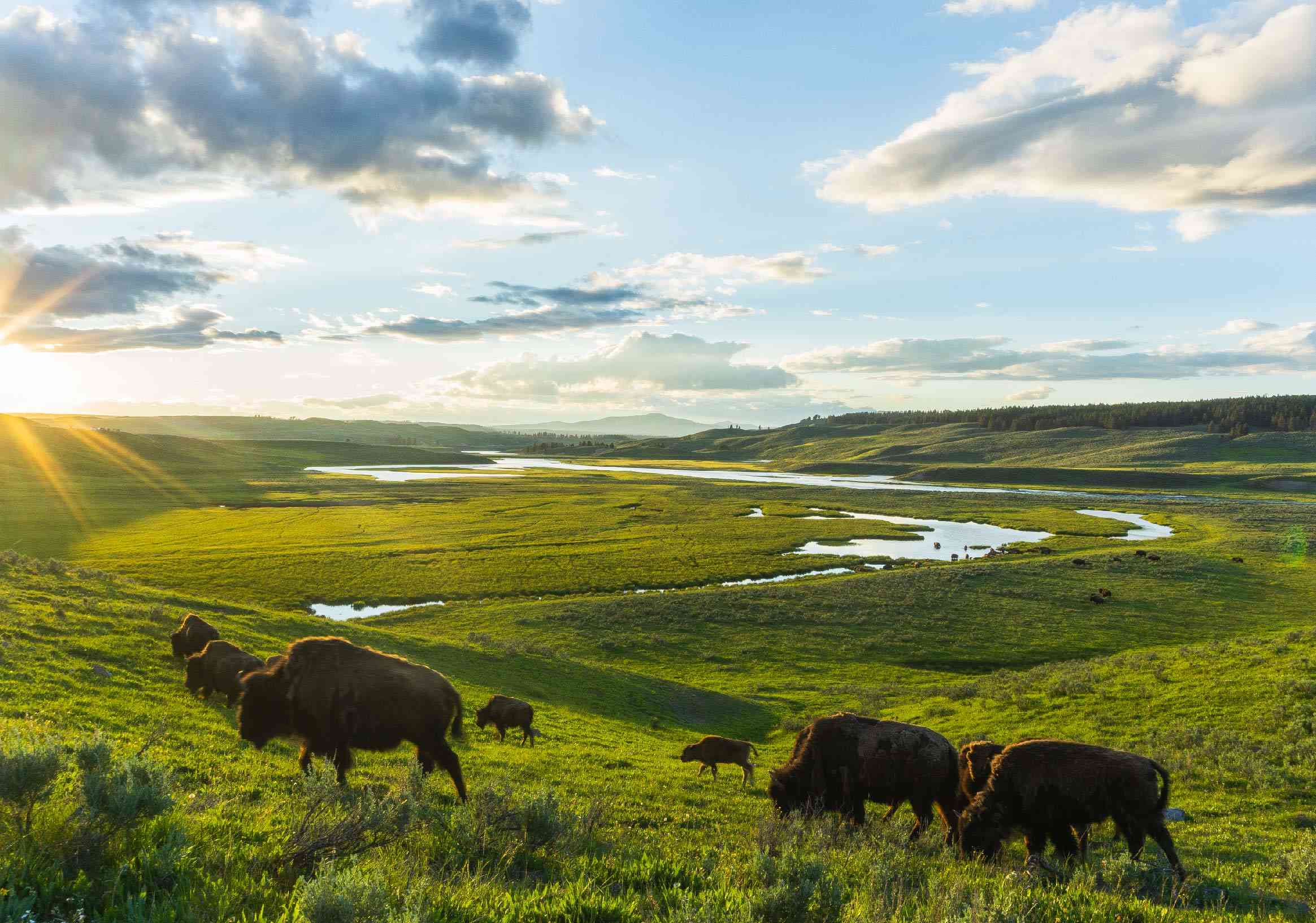
Environmental storytelling has long been shaped by a familiar set of images: dense forests, melting glaciers, coral reefs, and polar ice. While these ecosystems deserve attention, this narrow visual focus has unintentionally pushed rangelands and grasslands to the margins.
One reason is scale. Rangelands are vast and open, often without dramatic landmarks. Another is pace. Change here is gradual rather than sudden. Degradation, recovery, and resilience unfold over years, not moments.
This invisibility has consequences.
When landscapes are unseen, they are undervalued.
When communities are overlooked, their knowledge is ignored.
When stories are absent, policy conversations become abstract.
What is lost when rangelands are ignored
The lived realities of pastoral and herding communities
Traditional land management practices shaped over centuries
Context for land degradation, drought, and desertification
Understanding of how people and ecosystems coexist
Photography offers a way to address this absence—not by simplifying, but by paying attention.
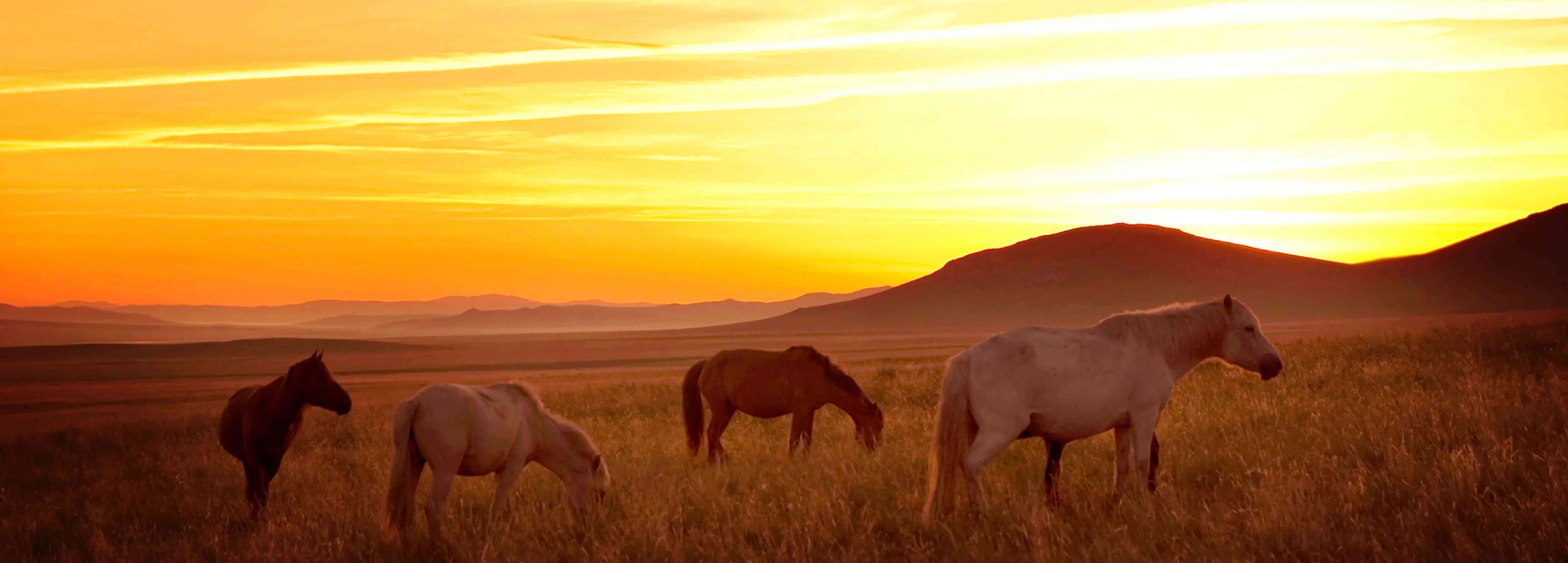
Through images, rangelands become places rather than spaces. Photography captures:
Seasonal movement and migration
Daily labour and care
Signs of stress and signs of recovery
Quiet relationships between land, animals, and people
For photographers, working in rangelands requires patience. These are landscapes that reward time rather than immediacy. The most meaningful images often emerge not from dramatic moments, but from observation—waiting, watching, returning.
At Greenstorm, photography is seen not as advocacy alone, but as a form of presence. Images do not shout. They invite viewers to look longer, to notice what might otherwise be missed.
In making rangelands visible, photography does something simple yet powerful: it restores attention. And attention is often the first step toward care.